
Food Lockers for Apartment Buildings in Australia | The Future of Residential Food Delivery
Food delivery has changed the way people live.
Today, platforms such as Uber Eats, DoorDash and other delivery services have become part of everyday life for millions of Australians.
For apartment communities, especially large residential towers, this shift has created a new challenge.
Food delivery is no longer just a resident activity.
It has become a building management issue.
The New Challenge of Food Delivery in Apartment Buildings
High-density apartments operate differently from houses.
A single residential tower may have hundreds of residents sharing the same entrance, lobby and common areas.
During peak periods, multiple delivery drivers may arrive within minutes.
This creates challenges such as:
Drivers waiting in residential entrances
Residents missing deliveries
Food being left unattended
Increased lobby traffic
Additional pressure on concierge and building teams
For buildings with 500+ lots, these issues become even more significant.
The challenge is not demand. The challenge is managing demand efficiently.
From Convenience Feature to Building Infrastructure
Modern buildings are increasingly designed around resident experience.
Smart access systems improve security.
Digital communication platforms improve engagement. Parcel lockers improve delivery management. Food lockers are the next step in this evolution.
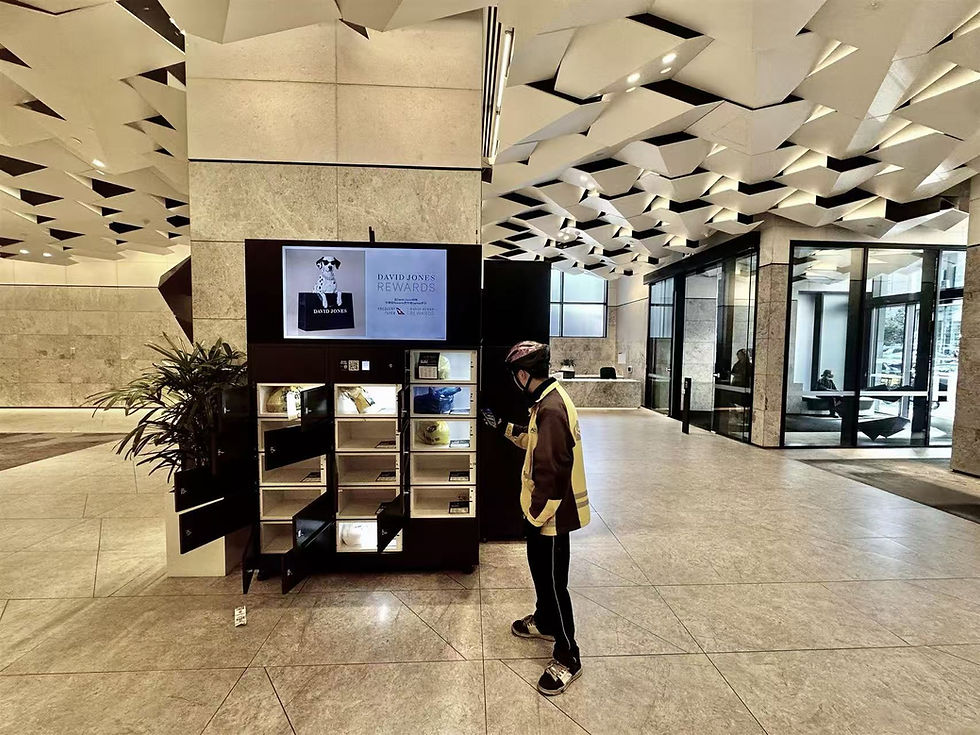
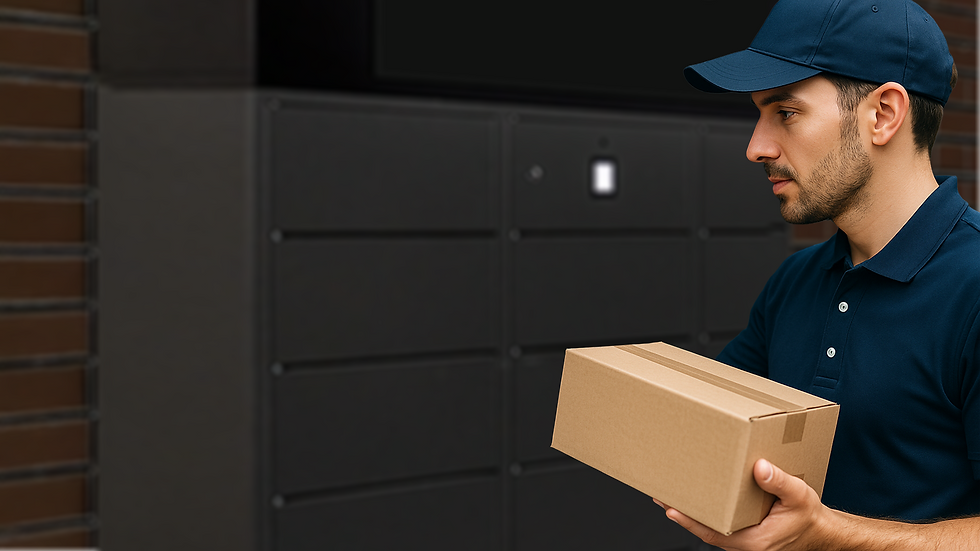
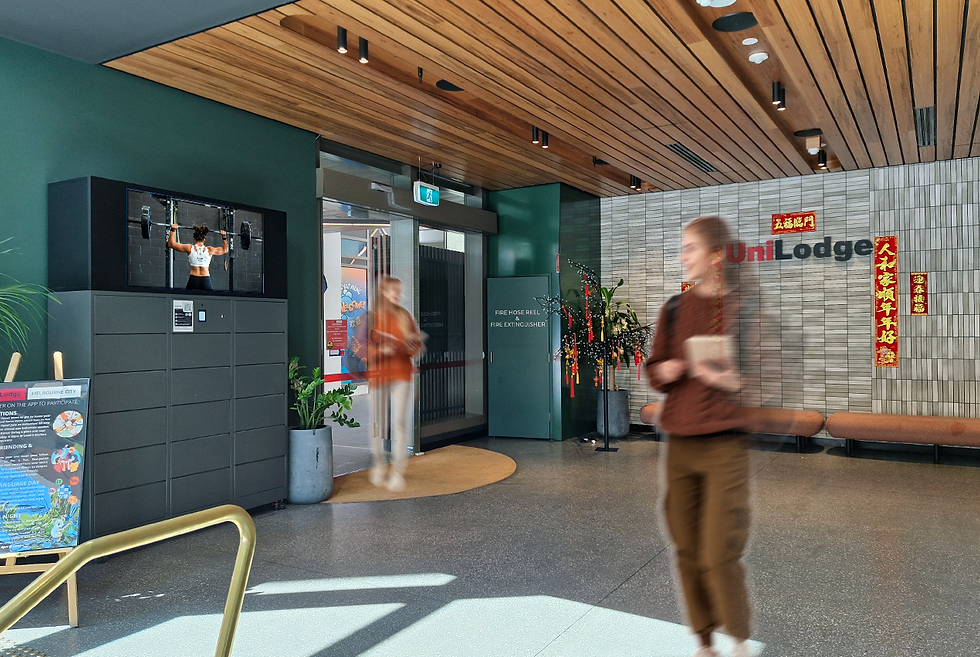
A residential food locker creates a dedicated delivery point where drivers can securely place orders and residents can collect them conveniently.
It transforms an unmanaged process into an organised building service.
Why High-Density Buildings Need Food Lockers
Large apartment communities experience a different level of delivery volume compared to smaller buildings. A building with hundreds of residents can receive significant food delivery activity every evening.
Without a dedicated system, this can lead to:
Congested common areas
Confusing delivery processes
Poor resident experience
Increased operational involvement
Food lockers help buildings create a cleaner, more predictable delivery environment.
Residents receive greater convenience. Drivers complete deliveries faster. Building teams experience fewer disruptions.

Why Foodifox Leads Residential Food Lockers in Australia
Foodifox was the first company in Australia to introduce residential food lockers, with over 7 years of real-world experience. Our understanding comes from operating within apartment communities — not simply providing hardware.
We understand the challenges faced by:
Residents expecting fast and reliable delivery
Drivers needing efficient drop-off points
Building managers protecting shared spaces
This experience has shaped a solution designed specifically for residential environments.
Built Around Real Apartment Needs
Foodifox food lockers are designed for the way modern buildings operate.
Key advantages include:
Designed for Multiple Delivery Platforms
Residents use different food delivery services.
Foodifox supports deliveries from multiple platforms, creating a flexible experience for residents and drivers.
Better Building Operations
By creating a dedicated food delivery area, buildings can reduce unnecessary activity in lobbies and common spaces.
Reliable Technology and Support
A smart building solution requires ongoing reliability.
Foodifox provides dedicated support to ensure smooth daily operation for residents and management teams.

The Future of Residential Food Delivery
The future of apartment living is not only about bigger facilities or more amenities.
It is about creating smarter everyday experiences. As food delivery becomes a permanent part of modern lifestyles, residential buildings will need infrastructure that supports how people actually live.
Food lockers represent this next generation of residential technology. Not just a place to collect food. A smarter connection between residents, delivery partners and the buildings they call home.

.png)




.png)

.png)




_jpgFoodifox%20x%20Catering%20Project.jpg)

.png)


.png)
